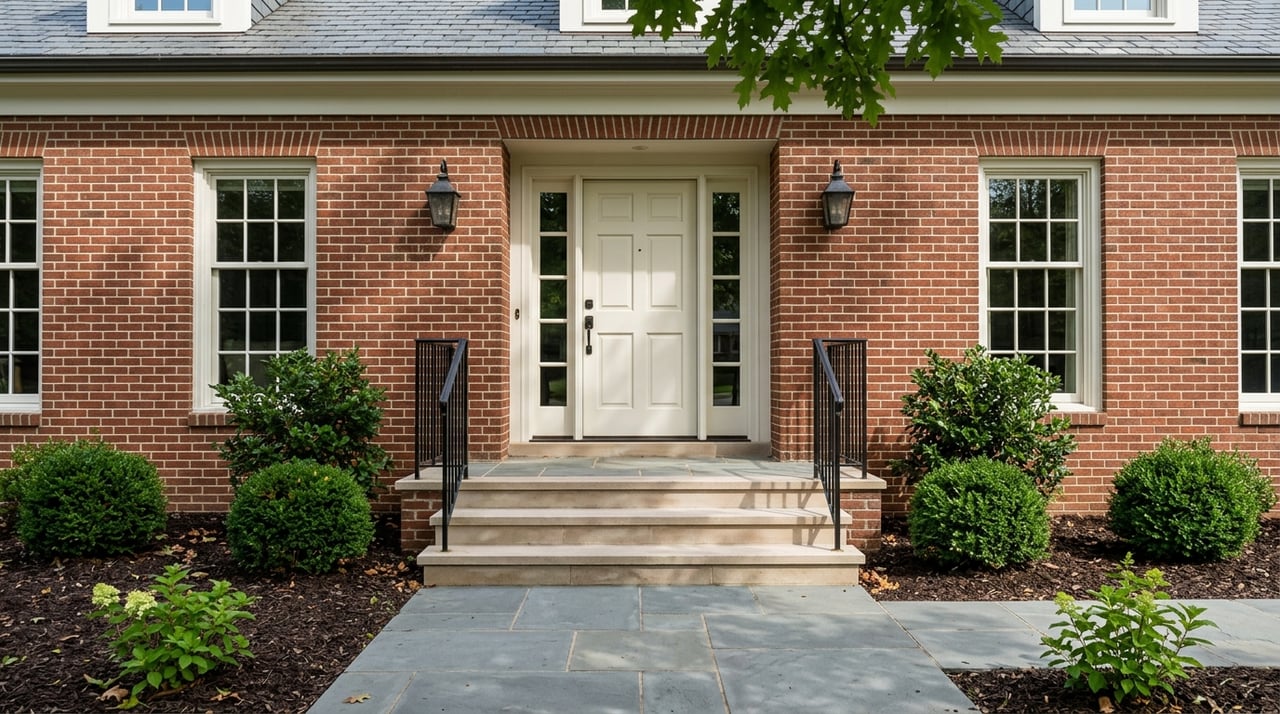
Moving Up In Arlington: From Condo To Single-Family
June 18, 2026
June 18, 2026
Wondering how to go from an Arlington condo to a single-family home without getting stuck between two closings? You are not alone. Many Arlington owners reach a point where they want more space, a yard, or a different layout, but the move-up process can feel complicated in a market that is still competitive and highly segmented. The good news is that with the right plan, you can make smart timing, financing, and pricing decisions before the pressure builds. Let’s dive in.
Arlington is not a simple one-price-fits-all market. Redfin’s March 2026 county snapshot shows a median sale price of $815,000, about 31 days on market, and roughly 3 offers per home, which it labels as very competitive. That means your condo sale and your next purchase both need a strategy, especially if you are trying to line up proceeds from one home to fund the next.
The county’s housing profile helps explain why condo owners make up such a big part of the move-up market here. Arlington’s population reached 244,300 in 2026, and 99% of net housing growth since 2020 came from multifamily apartments and condos. In practical terms, many local move-up buyers are starting from an attached home, not a detached one.
That also means your starting point and your destination may behave very differently. NVAR’s 2026 forecast expects Arlington single-family median sold prices to rise 3.8%, compared with 2.1% for condos and 1.9% for townhomes. Inventory is also forecast to rise 27.8% for single-family homes, which may create more options, but not necessarily less competition in the most sought-after price bands.
Before you look at houses, look at your numbers. If you are moving up from a condo, your main planning question is usually whether your sale proceeds can cover your next down payment, closing costs, and any overlap if you briefly own both homes.
The Consumer Financial Protection Bureau says lenders look at income, assets, employment, savings, monthly debts, credit reports, and credit scores. It also notes that buyers need to budget for more than principal and interest. You should account for taxes, insurance, HOA dues if applicable, maintenance, utilities, and closing costs.
Closing costs typically run about 2% to 5% of the purchase price, excluding the down payment. In a high-cost market like Arlington, that can be a meaningful number. If you are buying a more expensive single-family home after selling a condo, your monthly payment may change from several angles at once, not just the loan amount.
A preapproval letter is also important early in the process. CFPB notes that sellers often require one before accepting an offer. If your search is likely to move quickly, getting preapproved before listing your condo can help you act with more confidence.
For many move-up buyers, selling first is the cleaner path. CFPB’s guidance says people normally try to sell their current home before buying another one. That approach can reduce uncertainty around your available cash and help you avoid carrying two housing payments for long.
Still, every household has a different tolerance for risk and timing. If you need to buy before your condo sale closes, CFPB describes bridge loans as temporary loans of 12 months or less for a new dwelling when the borrower plans to sell a current home within that period. It also notes that HELOCs can unlock equity, but they come with repayment risk.
The right path depends on your reserves, your condo’s expected market time, and how competitive your target single-family search will be. This is where a detailed plan matters more than broad advice. In Arlington, one neighborhood may move in weeks while another takes much longer.
Selling a condo is not just about showing the property and accepting an offer. In Virginia, condo resales usually require a standardized resale certificate under the Resale Disclosure Act. According to DPOR, that package includes governing documents plus association fee and assessment information, and the fee is due when the item is ordered.
That requirement adds a timing layer that detached-home sellers do not usually face. If you wait too long to order documents, you may slow down your transaction at the exact moment you want to move quickly on your next purchase. For move-up sellers, prep work often matters as much as pricing.
This is also where strong listing execution can help. A well-prepared condo with clear pricing, polished presentation, and early document planning gives you a better shot at a smoother contract-to-close period. For sellers who want to maximize net and limit surprises, those details can have a real impact.
Settlement timing matters in Arlington for another reason: real estate taxes. Arlington bills real estate taxes in two installments due June 15 and October 5, and responsibility for taxes is worked out during settlement.
As of June 2026, Arlington’s real estate tax rate is $1.053 per $100 of assessed value. The county said the 2-cent increase translated to an average annual tax bill increase of $466 for homeowners based on the average home value of $882,900.
If you are moving from a condo into a higher-priced single-family home, your tax picture may shift more than expected. Reviewing expected taxes before you write offers can help you avoid stretching your budget too tightly.
You should also keep seller closing costs in mind. These can include Virginia’s state grantor and recordation taxes plus Arlington’s local recordation tax, which Arlington County Code sets at one-third of the state amount. When you are estimating net proceeds from your condo sale, those line items matter.
One of the biggest mistakes move-up buyers make is treating Arlington like one uniform market. It is not. Condo-heavy areas, townhome segments, and detached-home pockets can differ by hundreds of thousands of dollars and by weeks of market time.
Here is a quick look at how some Arlington sub-areas compare:
| Area | Median Sale Price | Days on Market | Notable Detail |
|---|---|---|---|
| Ballston-Virginia Square | $526,323 | 28 | About 1% above list on average |
| Clarendon-Courthouse | $677,272 | 31 | 17.4% of homes sold above list |
| Fairlington | $599,748 | 25 | Faster-moving attached-home area |
| Crystal City | $494,834 | 61 | 41.3% of homes had price drops |
| North Rosslyn | $856,712 | 61 | About 2% below list on average |
| Lyon Park | $1.415 million | 61 | Higher detached-home price point |
| Cherrydale | $1.374 million | 18 | Fast market time |
| Lyon Village | $2.0 million | 79 | Very limited active listings |
This range shows why your move-up plan should be based on your specific condo segment and your target single-family area. For example, a seller in Crystal City may need a different pricing and timing strategy than a seller in Fairlington. Likewise, a buyer targeting Cherrydale may need to move faster than one targeting Lyon Village.
A strong move-up strategy usually starts with sequencing. First, estimate likely condo proceeds after mortgage payoff and closing costs. Then compare that number to the cash you need for your next down payment, closing costs, moving expenses, and any overlap period.
After that, map your likely timelines. If your condo is in a segment averaging around 25 to 31 days on market, that may support one plan. If your building or area is moving closer to 61 days, you may want more cushion before making a purchase commitment.
Next, define your target search clearly. If you are moving into a detached-home pocket where prices are materially higher, a broad online search is not enough. You need to understand whether the homes you want are appearing often enough, whether they are selling near or above list, and how much flexibility you need on timing and terms.
The most successful condo-to-single-family moves usually share a few traits. They start with realistic pricing, clear financing, and early prep. They also avoid the trap of assuming that because your condo and your target house are both in Arlington, they will move on the same timeline.
A smoother process often looks like this:
That level of planning does not remove every variable, but it can reduce stress and help you make decisions from a position of clarity instead of urgency.
If you are thinking about moving up in Arlington, the key is not just finding the next house. It is coordinating two transactions in a market where pricing, inventory, and timing can shift dramatically from one area to the next. With careful preparation and local guidance, you can make the move with more confidence and fewer surprises.
When you are ready to map out your condo sale and your next purchase, John Irvin can help you build a practical plan for Arlington’s market.

We pride ourselves in providing personalized solutions that bring our clients closer to their dream properties and enhance their long-term wealth. Contact us today to find out how we can be of assistance to you!