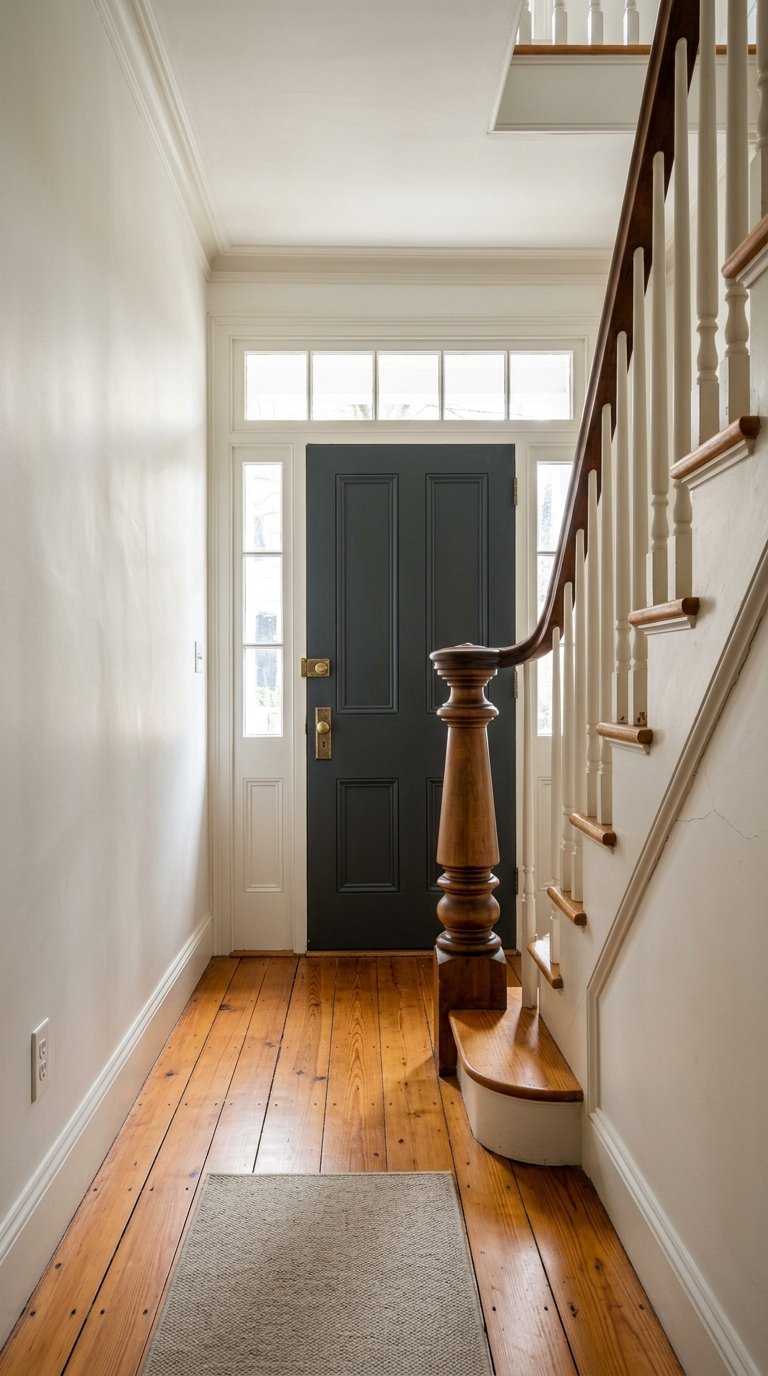
Buying a Historic Home in Alexandria: What to Review
July 2, 2026
July 2, 2026
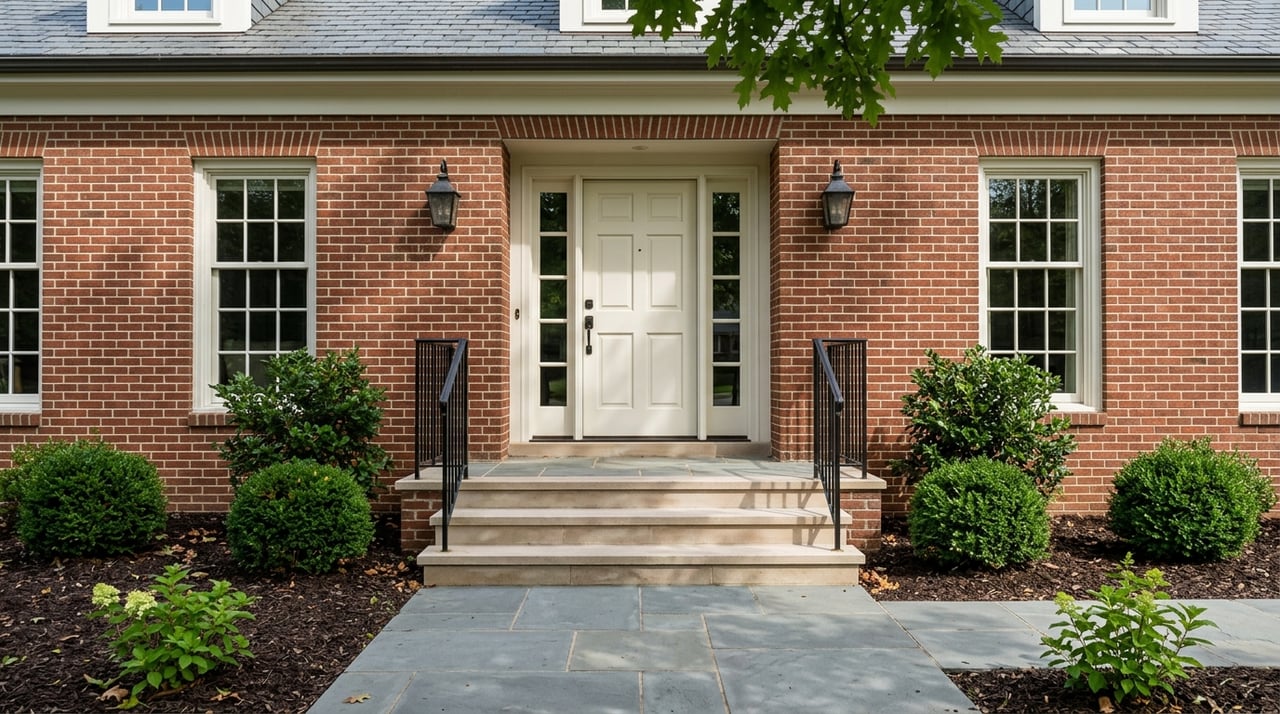
Thinking about buying a historic home in Alexandria, VA? It is easy to fall for the brick facades, original windows, old-growth trim, and walkable streetscape. But charm is only part of the decision. If you understand the city’s preservation rules, inspection priorities, and likely maintenance needs before you buy, you can move forward with far more confidence. Let’s dive in.
One of the biggest misconceptions buyers have is that every old home in Alexandria is regulated the same way. That is not the case. Alexandria has seven National Register Historic Districts, but only the Old and Historic Alexandria district, the Parker-Gray district, and designated One Hundred-Year-Old Buildings are regulated by the city through historic preservation review.
That distinction matters because the property’s regulatory status can affect what you can change after closing. In a locally regulated district, exterior work visible from a public right-of-way generally requires a Certificate of Appropriateness. Demolition or encapsulation of more than 25 square feet requires a Permit to Demolish.
Before you get too far into design ideas or contractor estimates, confirm exactly how the home is classified. A house can be old without being locally regulated. It can also sit in a National Register district without triggering the same city review requirements as a home in Old and Historic Alexandria or Parker-Gray.
This is why the first step is not choosing paint colors or pricing a kitchen update. The first step is verifying whether the property is in a local historic district, is designated as a One Hundred-Year-Old Building, or has some other preservation layer that affects your plans.
Historic preservation easements are another issue buyers should not overlook. Alexandria says these easements are administered through the Office of Historic Alexandria, may require written approval before alterations, can include periodic inspections, and run with the land.
In plain terms, an easement does not disappear when ownership changes. If one exists, you will want to review the terms before removing contingencies or making renovation assumptions.
Many buyers assume review only applies to major additions or full exterior remodels. In Alexandria, preservation rules can affect a much wider range of work. City guidance includes roofing, masonry, chimneys and flues, doors, siding and trim, stoops, steps and railings, fences and gates, and additions.
The city’s older preservation handout also lists windows, exterior lighting, HVAC equipment, exterior vents, and painting previously unpainted masonry as examples of work that can trigger review. Some projects may be approved administratively, but buyers should verify what applies to the specific property before planning repairs or cosmetic updates.
Even when approval is possible, timing matters. Alexandria says some complete administrative applications are typically processed in less than five business days. Full Board of Architectural Review hearings are generally held on the first and third Wednesday of the month, except August, and complete applications are required at least 30 days in advance.
If you hope to close and start work right away, that schedule can shape your move-in plan. It can also affect contractor availability, temporary housing needs, and your renovation budget.
Older homes often hide their biggest issues behind walls, under floors, or above ceilings. That is why inspection strategy matters so much when buying a historic home in Alexandria. A standard home inspection should happen early enough to leave time for additional specialist inspections if concerns show up.
That approach is especially important in an older house, where visible charm can coexist with hidden moisture damage, outdated mechanical systems, or preservation-sensitive repairs. The goal is not to find a perfect old home. The goal is to understand what you are buying and what it may cost to maintain.
For historic homes, moisture is one of the biggest threats. Preservation guidance from the National Park Service identifies uncontrolled moisture as the most common cause of deterioration in older buildings, contributing to rot, corrosion, erosion, and structural damage.
When you tour or inspect a home, pay close attention to the roof, flashing, gutters, downspouts, grading, basement conditions, crawlspaces, and any signs that water may be getting behind wood trim or masonry. A beautiful exterior does not mean water has been managed well over time.
Alexandria’s older housing stock often includes brick walls, wood windows, and exterior trim that need preservation-aware evaluation. National Park Service guidance emphasizes compatible mortar for masonry repointing and repair of historic wood windows where possible.
That matters because not every contractor approaches an old house the same way. A preservation-minded specialist can help you tell the difference between normal age-related wear and repairs that need immediate attention.
If you are using VA financing, wood-destroying insect information is required statewide in Virginia. Even if you are not using a VA loan, termite or pest inspections are often worthwhile in older homes, especially where crawlspaces, damp wood, or aging framing are involved.
If the home was built before 1978, assume lead-based paint may be present until proven otherwise. In older homes, asbestos may also be found in pipe or furnace insulation, shingles, textured coatings, and floor tiles. If you plan to repaint, remodel, or disturb older materials, these are practical issues to investigate before closing.
Flooding should be part of your due diligence in Alexandria. The city says about 20% of Alexandria is mapped as floodplain, and new FEMA flood maps became effective on January 11, 2024. That makes flood-map review an important step, especially in low-lying or waterfront areas.
Sewer history matters too. Alexandria says the Old Town combined sewer system dates back to the 1800s and can back up during heavy rain. If you are considering a property in areas where drainage, elevation, or stormwater could be a concern, ask direct questions about flooding, water intrusion, and past sewer backups.
One of the smartest mindset shifts when buying a historic home is understanding that maintenance often centers on repair rather than wholesale replacement. Historic homes tend to reward steady upkeep and the right materials more than fast, one-size-fits-all fixes.
That can be a benefit if you value original character, but it also means your budget should reflect preservation-appropriate work. Old-house ownership usually works best when you plan for specialized maintenance over time rather than assuming every aging feature should be swapped out.
Here are some of the areas buyers should expect to monitor and maintain in older Alexandria homes:
Historic-home due diligence works best when you ask targeted questions early. This can help you avoid surprises after inspections, appraisal, or loan review.
A few of the most useful questions include:
When you are buying a historic home in Alexandria, sequencing matters. The best path is usually to verify the home’s preservation status first, inspect for moisture and hidden deterioration second, and then build a realistic budget for preservation-appropriate repairs.
That order helps you make decisions based on facts instead of guesswork. It also makes it easier to decide whether the home fits your timeline, financing, and comfort level for future upkeep.
Historic homes can be incredibly rewarding to own. They offer architecture, craftsmanship, and street presence that newer construction often cannot match. With the right due diligence and the right local guidance, you can enjoy the character while protecting your budget and avoiding costly surprises.
If you are considering a historic home in Alexandria and want a practical, locally informed buying strategy, John Irvin can help you evaluate the property, the process, and the next steps with senior-level guidance.
We pride ourselves in providing personalized solutions that bring our clients closer to their dream properties and enhance their long-term wealth. Contact us today to find out how we can be of assistance to you!