Hunter Mill District Vienna VA Homes, Trails & Amenities
May 28, 2026
May 28, 2026
If you want a Northern Virginia address that balances small-town feel with practical access to major job centers, Vienna’s Hunter Mill District deserves a close look. You may be comparing neighborhoods, commute options, and home styles while trying to picture your day-to-day life there. This guide will help you understand what the housing stock looks like, what amenities shape the area, and why many buyers see Vienna as a strong fit for both lifestyle and convenience. Let’s dive in.
Hunter Mill District is a Fairfax County supervisor district that includes Vienna, Reston, and parts of Tysons and Herndon. Fairfax County also describes it as stretching from the Dulles International Airport boundary in the west to Tysons Corner in the east. That broader setting matters because it places Vienna within a connected part of Northern Virginia rather than in isolation.
Within that district, Vienna offers a more compact town setting. The town covers about 4.4 square miles and sits roughly 15 miles from Washington, D.C. For many buyers, that creates an appealing middle ground: you get a smaller-town atmosphere while staying connected to major employment and activity centers across the region.
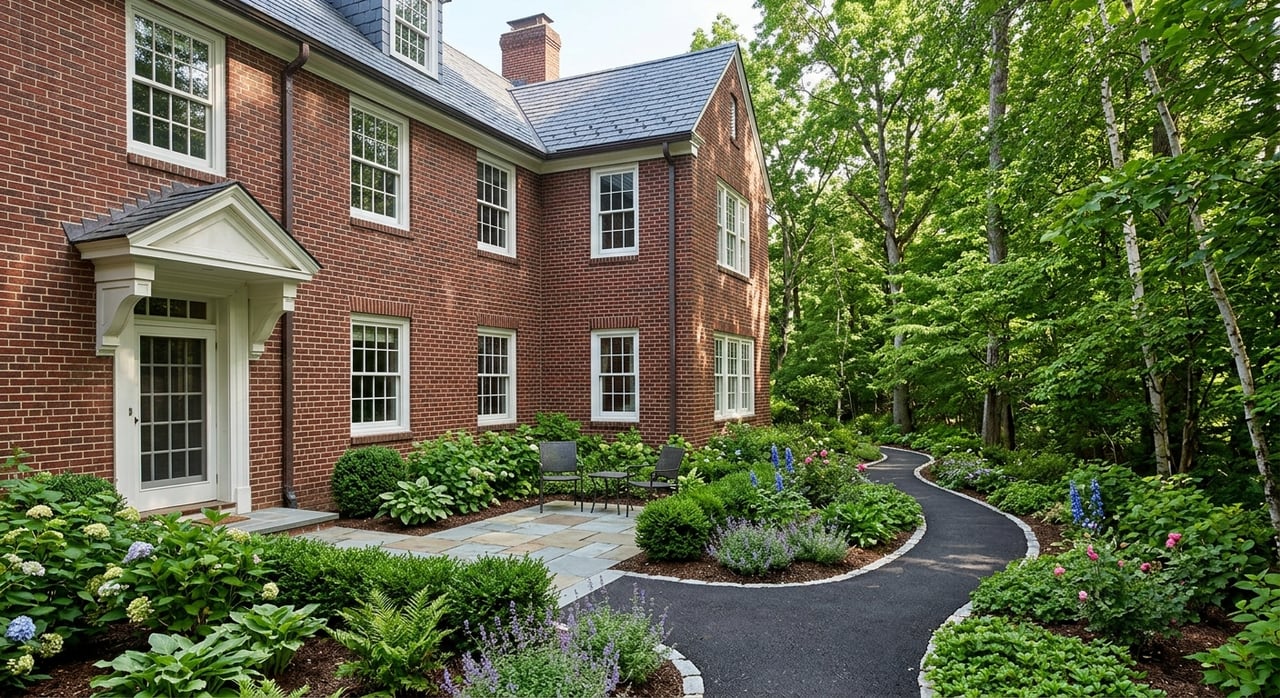
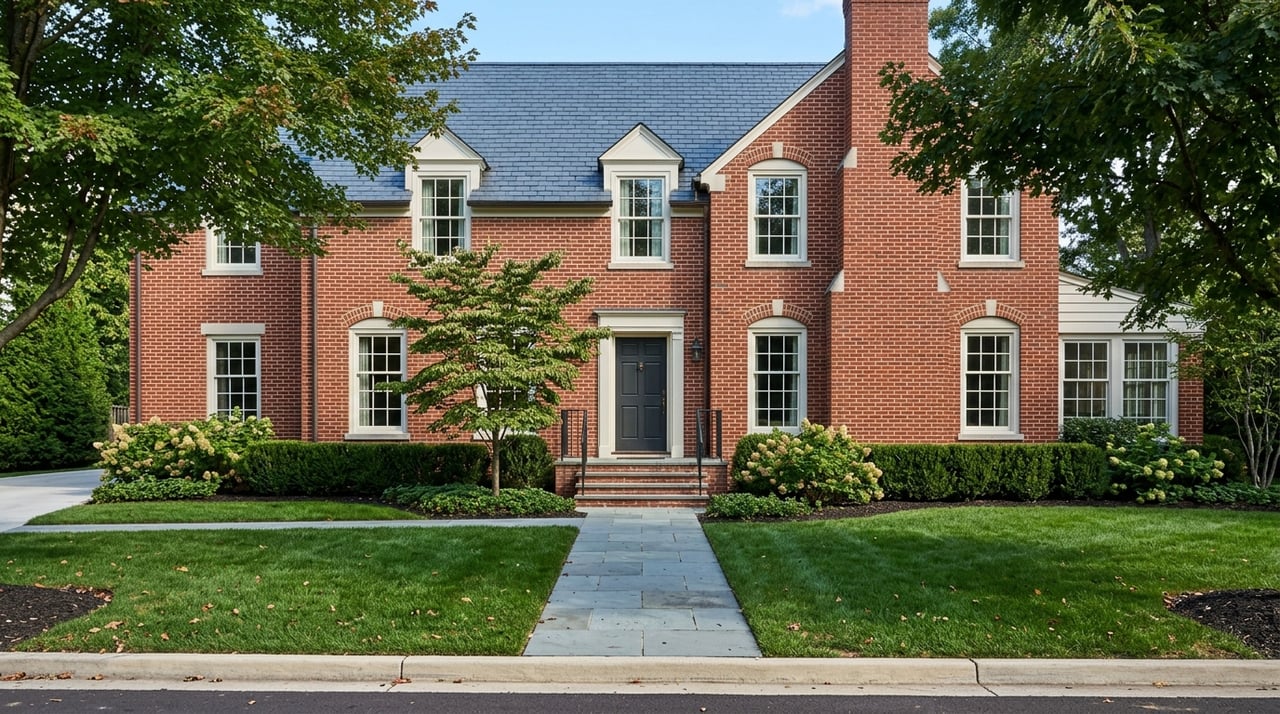
If you are wondering what kind of housing defines the area, Fairfax County planning documents point clearly to a market shaped largely by single-family detached homes. That gives much of Vienna a classic suburban pattern with more space, established streets, and a residential feel many buyers actively seek. It is one of the key reasons Vienna often appeals to move-up buyers and households relocating within Northern Virginia.
At the same time, the housing picture is not one-size-fits-all. County materials note that areas closer to Tysons and transit-oriented edges include townhouses and garden apartments. The Vienna Transit Station Area also includes single-family detached homes and townhouses, which means you can find a mix of options depending on how close you want to be to transit and denser development.
For buyers trying to understand the broader ownership profile, Census Bureau estimates for 2020 through 2024 put Vienna’s owner-occupied housing rate at 83.7%. The same source lists the median value of owner-occupied homes at $1,008,800. Those figures help frame Vienna as a primarily owner-occupied market with higher home values relative to many surrounding areas.
In practical terms, Vienna often fits buyers who want a detached-home setting first and foremost. If your priority is yard space, a more suburban street pattern, and a traditional neighborhood feel, the local housing stock supports that search. You are more likely to see attached and higher-density options as you move closer to Tysons and transit-influenced pockets.
That range can be helpful if you are trying to balance budget, space, and commute. Some buyers want the feel of Vienna but prefer a townhome for lower exterior maintenance or a location nearer Metro access. Others are looking specifically for a detached home and are willing to trade some transit proximity for a more classic residential setting.
One of Vienna’s strongest lifestyle advantages is its outdoor network. The town’s Parks and Recreation Department maintains 12 parks, along with trails and stream valleys, athletic fields, and public landscapes. That gives residents multiple ways to spend time outside without leaving town.
The Vienna Community Center is another important part of that picture. It sits in the heart of town next to the W&OD Trail, which helps connect recreation with everyday life. Instead of outdoor amenities feeling separate from the town center, they are woven into how residents move through and use the community.
The W&OD Trail is one of Vienna’s defining features. The town describes it as a 45-mile trail that runs through the heart of Vienna, making it more than just a recreational bonus. It is a visible, active part of the community that supports walking, biking, and easy access to local destinations.
Vienna also notes that it has easy access to the trail and has been recognized as a bronze-level Bicycle Friendly Community. For buyers who value active living, that recognition adds context to what the town experience can feel like day to day. It suggests that trail access is not just available on paper, but meaningfully integrated into the area.
Fairfax County adds another layer of connectivity through the Gerry Connolly Cross County Trail. According to the county, that trail connects to the Vienna Metro station via the W&OD and City of Fairfax Connector Trail. For residents, that strengthens the sense that Vienna offers a suburban environment with unusually good trail connections.
Outdoor access matters, but so do the places you use every week. Vienna’s About page says Maple Avenue, also known as Route 123, includes specialty shops, restaurants, family-run businesses, and small stores. That mix helps give the town center a practical, local-serving feel instead of a purely commuter-oriented one.
The town also provides public parking lots that serve the town center. For everyday errands, dining, and local shopping, that can make the area easier to use. Convenience is often shaped by small details like parking and layout, and Vienna appears designed to support regular town-center activity.
Community programming adds to that appeal. Vienna highlights holiday parades, seasonal farmers markets, live concerts, recreation classes, and events at the Vienna Community Center. If you are looking for a place where amenities are not limited to buildings and businesses, that kind of recurring town programming can be a meaningful part of the overall lifestyle.
For many buyers, the real question is not just whether a town is attractive, but whether it works on a Monday morning. Vienna offers several transportation advantages that support a practical commute. WMATA says Vienna is the Orange Line’s final Virginia stop and has an intermodal connection to I-66.
That combination gives residents multiple ways to get around. Depending on your work location and routine, you may be able to rely on Metro, driving, or some combination of both. Flexibility matters in Northern Virginia, and Vienna’s transportation setup is one of the reasons it stays on so many buyers’ short lists.
Its location within Hunter Mill District also puts it near several major employment centers. Fairfax County identifies Tysons as its county downtown and notes that it is served by four Silver Line Metro stations. The same broader geography places Vienna within reach of Tysons, Reston, the Dulles corridor, and Washington, D.C.
Being near major job nodes can change more than just commute times. It can also affect how easily you meet clients, visit friends, reach airports, or move around the region for daily responsibilities. Vienna stands out because it offers this access while still reading as a smaller-town environment.
That balance is often what buyers are really searching for, even if they do not describe it that way at first. You may want a home base that feels settled and residential, but you also want the region to stay within easy reach. Vienna’s location supports that kind of lifestyle unusually well.
The best answer is that Vienna feels suburban first, with a strong outdoor layer and convenient regional access. The parks, stream valleys, W&OD Trail, and Cross County Trail connection all support an active lifestyle. At the same time, the town center, Metro access, and proximity to Tysons keep it connected to everyday needs and broader economic hubs.
That mix can be especially appealing if you do not want an intensely urban environment but still want convenience. In Vienna, the appeal is not about high-rise living or constant density. It is about having trails, local businesses, community events, and commuter options in a compact and usable setting.
Vienna’s Hunter Mill District can make sense for several types of buyers. Relocating professionals often appreciate the access to Metro, I-66, Tysons, and Reston. Buyers moving up in the market may focus more on detached housing patterns, owner-occupied stability, and the everyday convenience of a well-established town.
It can also be a smart area to explore if you want choices within a fairly focused geography. You may start your search wanting one specific home type, then realize a townhome near transit or a detached home farther into Vienna better matches your priorities. The area gives you room to compare those trade-offs in a practical way.
If Vienna is on your list, it helps to start with the lifestyle pieces that matter most to you. Ask yourself whether your top priority is a detached home, transit access, trail access, or quick reach to Tysons and other job centers. Those preferences will likely shape which parts of the area feel most compelling.
From there, compare home style, location, and convenience together rather than separately. In a market where detached homes define much of the landscape but townhomes and denser options appear near transit-oriented areas, your best fit may come down to how you want to live day to day. A clear strategy can help you narrow the search faster and make more confident decisions.
If you are thinking about buying or selling in Vienna or elsewhere in Northern Virginia, working with experienced, senior-led guidance can make the process more efficient and more informed. To talk through your options with a boutique brokerage that knows the local market, connect with John Irvin.
We pride ourselves in providing personalized solutions that bring our clients closer to their dream properties and enhance their long-term wealth. Contact us today to find out how we can be of assistance to you!