Falls Church, VA Lifestyle Guide For Future Residents
February 19, 2026
February 19, 2026
Thinking about making Falls Church your next home? You are not alone. This compact, close-in city offers a friendly main-street feel, strong civic programming, and easy access to DC-area jobs. In this guide, you will learn how Falls Church lives day to day, what homes cost, how you will get around, and practical details to help you decide if it fits your goals. Let’s dive in.
Falls Church is an independent city inside the Capital Beltway with a small footprint of about 2.0 to 2.2 square miles and a walkable, civic downtown. The population sits near 15,000 with high educational attainment and a median household income around 155,000 dollars, according to the latest American Community Survey and QuickFacts. The city’s mean commute time is about 27.5 minutes, though your actual time will vary by mode and route. You can explore city-level figures on the Census QuickFacts profile.
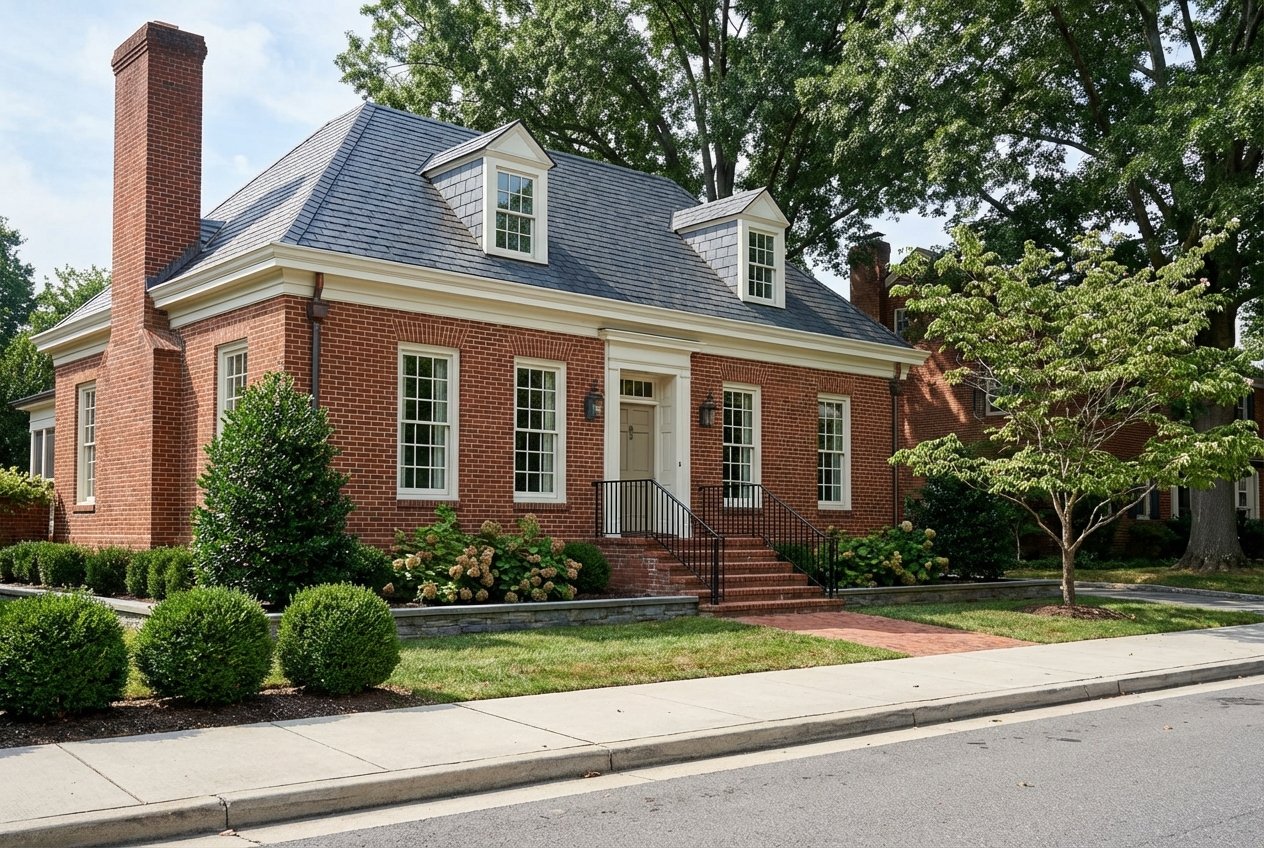
Falls Church sits just west and northwest of Arlington. You are minutes to I-66, I-495, Tysons, and the Rosslyn-Ballston corridor. The vibe is small-city and neighborly, with coffee shops, restaurants, and community events centered on Broad Street and Park Avenue. For a quick feel of the local character, browse the city’s events and story highlights featured in Southern Living’s look at Falls Church.
Home prices in the City of Falls Church reflect strong demand and very limited land. Different data sources use different methods and timelines, so you will see a range. As a directional snapshot, Redfin reported a median sale price around 900,000 dollars in late 2025, Zillow’s local Home Value Index showed roughly 760,000 dollars in January 2026, and the 2019–23 ACS placed median owner value near 1.0 million dollars. Expect single-family homes to run in the high six to seven figures. Condos and some townhomes tend to be the more accessible options.
Recent mixed-use infill near the downtown corridor, including West Falls and Founders Row, has added new condos, apartments, and retail. You will find one-bedroom condo options that have sold in the low to mid 400,000s, with larger units and new single-family builds moving up from there. Inventory moves quickly, so use fresh MLS feeds and a clear city-boundary filter when you search.
The city skews evenly between owners and renters and faces affordability pressures common to close-in Northern Virginia. The regional housing dashboard notes continued demand and constrained supply in Falls Church. If budget is the top priority, widen your search to nearby Fairfax County or Arlington neighborhoods with a Falls Church mailing address, which can offer lower entry prices. For policy and production context, see the Falls Church page on the Housing Indicator Tool.
Downtown Broad Street is compact and walkable, with coffee shops, bakeries, and chef-driven restaurants. Newer additions, like contemporary spots mentioned in Southern Living’s coverage of the dining scene, add variety to long-time favorites. Founders Row has brought more dining choices and ground-floor energy.
Just outside the city line, Eden Center is a major Vietnamese dining and shopping destination with restaurants, bakeries, and markets. It is a beloved regional draw and a real lifestyle perk if you love to explore new foods.
Weekend routines often include the City Hall farmers market and seasonal series like Concerts in the Park and Farm Day at Cherry Hill. These gatherings make it easy to plug into the community. Check the city’s farmers market and event updates before you go.
The restored State Theatre anchors live music in town, and casual breweries like Audacious Aleworks keep things low-key and local. Most venues sit within a short walk of each other, so evenings out are simple.
For a small city, Falls Church offers a well-used parks network. Cherry Hill Park hosts many community events and provides playgrounds and open space. Tinner Hill and neighborhood parks add pocket green spaces across town. Explore park details and locations on the City of Falls Church parks page.
Cyclists and runners love the Washington and Old Dominion Trail, a major regional path that runs close by and connects to longer routes. It works for both daily fitness and bike-to-Metro commutes. See the route overview on TrailLink’s W&OD page.
Two Metrorail stations serve most City of Falls Church residents: East Falls Church and West Falls Church on the Orange and Silver Lines. East Falls Church lists several bus connections and bike access options on WMATA’s station page. Expect a mix of last-mile solutions like biking, local bus, or a short drive to the station.
If you drive, access to I-66 and the Beltway makes trips to DC, Tysons, and other job centers straightforward outside peak times. Average citywide commute time is about 27.5 minutes, but your mode and schedule will drive results.
Falls Church City Public Schools is a small PreK-12 division with an International Baccalaureate continuum. Many buyers cite the school system as a key factor, but you should always review official program and performance details on FCCPS.org.
Healthcare access is strong, with the Inova Fairfax Medical Campus nearby for advanced services. For safety, vendor summaries vary. Some resources present Falls Church as having low violent-crime incidence relative to national averages, while others note higher per-1,000 rates due to small-city math. For perspective and current context, compare third-party summaries like AreaVibes’ Falls Church crime overview with the City Police annual report before deciding.
Property taxes are set per 100 dollars of assessed value each fiscal year. You can review recent rate history on the city’s Real Estate Tax Rate page. Use current assessments and the posted rate to estimate your annual bill.
Real estate listings often label parts of Fairfax County as “Falls Church” because of mailing addresses. That is not the same as the independent City of Falls Church. When you search, filter by the City of Falls Church municipality rather than zip code to avoid surprises. If you are open to both, compare taxes, school pyramids, and commute options side by side.
Choose Falls Church if you want a walkable, small-city lifestyle with frequent community events, quick access to DC and Tysons, and a compact set of neighborhoods that feel connected. Tradeoffs include higher housing costs and a tight inventory. If the benefits align with your goals, you will likely love the rhythm of life here.
Ready to talk neighborhoods, prices, and timing with a local who knows the market block by block? Reach out to John Irvin for a friendly strategy session tailored to your move.
We pride ourselves in providing personalized solutions that bring our clients closer to their dream properties and enhance their long-term wealth. Contact us today to find out how we can be of assistance to you!