Living In Springfield, VA: Daily Life And Housing Options
February 5, 2026
February 5, 2026
Thinking about a move to Springfield, VA but not sure how daily life actually feels? You are not alone. Many buyers want a suburban base with strong transit, convenient shopping, and a range of home types. This guide gives you a clear picture of Springfield’s commute options, parks and amenities, and the housing choices you can expect. Let’s dive in.
Springfield sits in southern Fairfax County inside the Capital Beltway, close to I-95 and I-395. That location puts you within reach of job centers in Arlington, Alexandria, downtown DC, Tysons, and Reston. You will find a mix of established neighborhoods, newer infill near major hubs, and a busy retail core.
Cost of living mirrors Northern Virginia norms, which are higher than national averages. Pricing varies by home type and proximity to transit, schools, and shopping. For current market stats like median prices and inventory, reference regional data sources when you are ready to compare options.
If you drive, Springfield’s appeal starts with access. I-95, I-395, and the Capital Beltway form your regional backbone, and Route 286 connects you across Fairfax County. Commutes flow toward the Pentagon, Crystal City, downtown DC, Tysons, and Reston. Peak congestion is routine, so plan to test drive-time during rush hour before you buy.
To track improvements that can affect future travel times, check current construction and long-range plans on the Virginia Department of Transportation’s Northern Virginia projects page.
Springfield’s primary rail hub is the Franconia–Springfield Metrorail station on the Blue Line. It includes a large park-and-ride and multiple bus connections. You can review station details, maps, and schedules through the WMATA Franconia–Springfield station guide. Expect direct service to the Pentagon and Arlington with transfers for other lines and some destinations.
Commuter rail is another option for select routes. The Virginia Railway Express serves the region with weekday service designed for work schedules. If commuter rail fits your pattern, check routes and timetables on the Virginia Railway Express site.
Local and express buses fill in the gaps. Fairfax Connector and Metrobus link neighborhoods to the station area and major employers. If you prefer a blend of transit and rideshare, the last mile around Springfield is usually manageable.
Springfield functions as a regional shopping node with a town center area that includes national retailers, grocery stores, services, and entertainment. You will also find smaller plazas throughout the CDP for quick errands. Dining ranges from chains to independent spots concentrated near the retail core and along main roads.
Outdoor time is easy to plan with access to county and regional parks. Many residents frequent Lake Accotink Park for trails, picnic areas, and seasonal activities. Explore hours and amenities through the Fairfax County Park Authority page for Lake Accotink Park. A short drive away, Burke Lake Park offers a scenic loop, boating, and a variety of recreation facilities. You can review details on the Burke Lake Park page.
Neighborhood pocket parks and creek-valley trails weave through several subdivisions. Walkability is strongest near the town center and transit area. Most single-family neighborhoods are car oriented, which is common in Fairfax County.
Major hospitals and outpatient centers are a short drive away in Fairfax County and nearby jurisdictions. You can explore providers and locations across a large regional network via the Inova Health System site.
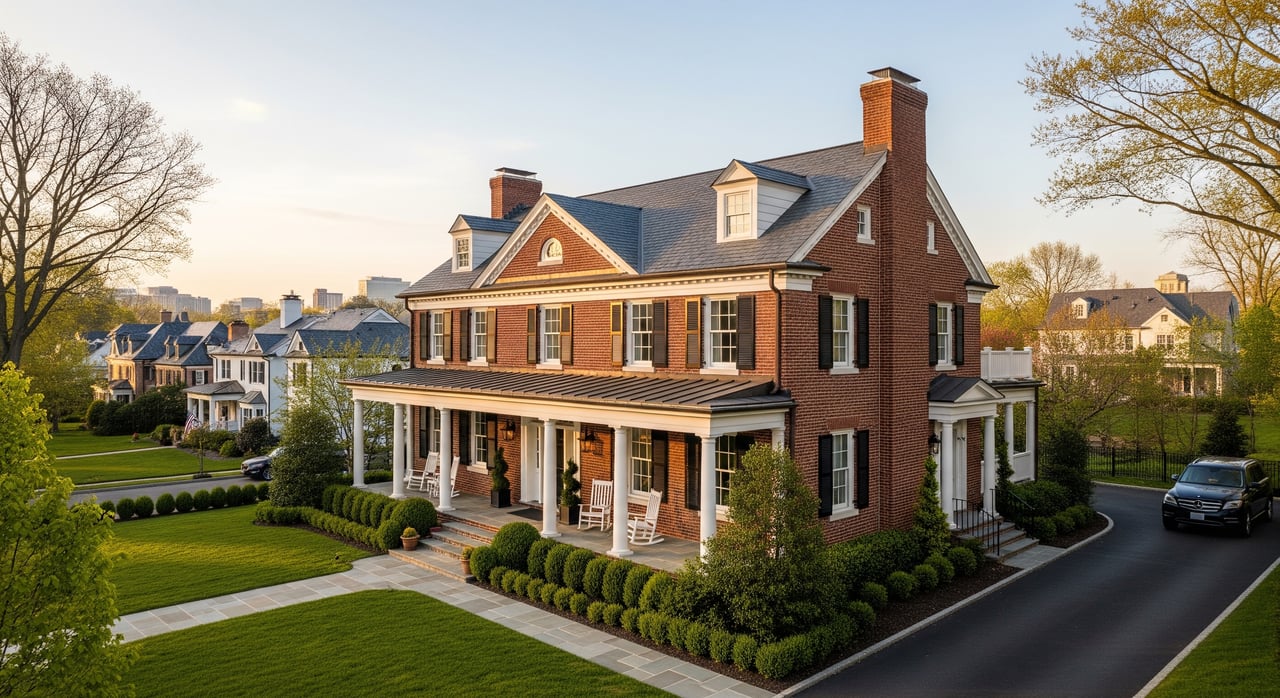
Springfield’s housing is diverse. You will see mid-century ranch and split-level homes, classic colonials from later suburban waves, newer infill or replacement homes, and a healthy supply of townhomes and condominiums. Near transit and the retail core, look for mixed-use and newer multifamily developments. Farther out, expect larger lots, mature trees, and more traditional suburban layouts.
You can buy or rent in nearly every segment. Apartments and rentals of townhomes and single-family homes are widely available, which creates flexibility for relocators and investors. Condos and many townhomes have HOA or condo association fees. These fees affect your monthly budget and lending or insurance requirements, so review governing documents, rules, and reserve studies during due diligence.
Primary value drivers include proximity to the Franconia–Springfield Metro station, access to major highways, school assignment, lot size, overall condition, and updates like finished basements or renovated kitchens and baths. Homes closer to transit and walkable pockets tend to retain strong demand regionally. For property-level questions, verify public sewer versus septic where applicable, review lot slope, and check for floodplain exposure.
You can review county tax rates and look up assessment information through the Fairfax County Department of Tax Administration. For flood risk research, start with the FEMA Flood Map Service Center and follow up with county floodplain resources for parcel specifics.
You live in a condo a few minutes from the station. Mornings are simple. You walk to the park-and-ride or bus stop, tap in on the Blue Line, and reach the Pentagon without needing your car. After work, you pick up groceries and grab dinner near the retail core. Weekend plans include Lake Accotink’s trails or a quick drive to Burke Lake.
You are in a mid-century split-level on a tree-lined street. Mornings start with a short drive to I-395 or the station park-and-ride, depending on your schedule. Afternoons might include youth sports through county programs or a bike ride on nearby trails. You plan errands around local plazas and save larger shopping trips for the town center.
Both lifestyles are common in Springfield. The right fit depends on your commute, budget, and preference for walkability versus space.
Use this quick list to focus your search and due diligence.
If you want strong regional access, a wide range of housing types, and convenient amenities, Springfield is an efficient base in Northern Virginia. Your best next step is to define your commute, budget, and preferred home type, then tour a few neighborhoods to compare daily routines.
If you are ready to explore, we can help you weigh tradeoffs, confirm school zones and commute realities, and create a plan that aligns with your goals. For personalized guidance, connect with John Irvin to schedule a Free Consultation.


We pride ourselves in providing personalized solutions that bring our clients closer to their dream properties and enhance their long-term wealth. Contact us today to find out how we can be of assistance to you!